English
 Português
 عربى
عربى 中文简体
中文简体The best portable car heater for your vehicle depends on your power source, vehicle size, heating need, and safety requirements. Whether you are dealing with a frosty windshield on a winter morning or staying warm during a long road trip, a quality car heater can make a significant difference. This guide walks you through everything you need to know — from types and key features to a side-by-side comparison and frequently asked questions — so you can make a confident, informed decision.
Content
- Why You Need a Portable Car Heater
- Types of Portable Car Heaters
- Car Heater Types Compared at a Glance
- Key Features to Look for in a Car Heater
- How to Match a Car Heater to Your Situation
- Electric vs. Fuel-Powered Car Heaters: A Detailed Comparison
- Car Heater Safety: What You Must Know
- Installation and Setup Tips
- How to Maximize Your Car Heater's Performance
- Frequently Asked Questions (FAQ)
- Final Verdict: Choosing the Right Car Heater
Why You Need a Portable Car Heater
A dedicated car heater is not just a luxury — it is a practical safety device for drivers in colder climates. Factory-installed vehicle heating systems can take several minutes to warm up, leaving you shivering and driving with a fogged or icy windshield. A portable car heater provides immediate warmth and helps defrost windows quickly, improving visibility and reducing accident risk.
Beyond cold-weather commuting, portable car heaters are invaluable for:
- Truck drivers and long-haul professionals who idle overnight
- Campers and outdoor adventurers sleeping in their vehicles
- Drivers with older vehicles whose factory heaters have weakened
- Passengers in the rear seat who receive less heat from the front vents
- Emergency kits for breakdowns in freezing temperatures
Types of Portable Car Heaters
Before purchasing a car heater, it is essential to understand the different types available. Each has distinct advantages and limitations.
1. 12V Electric Car Heaters (Plug-in)
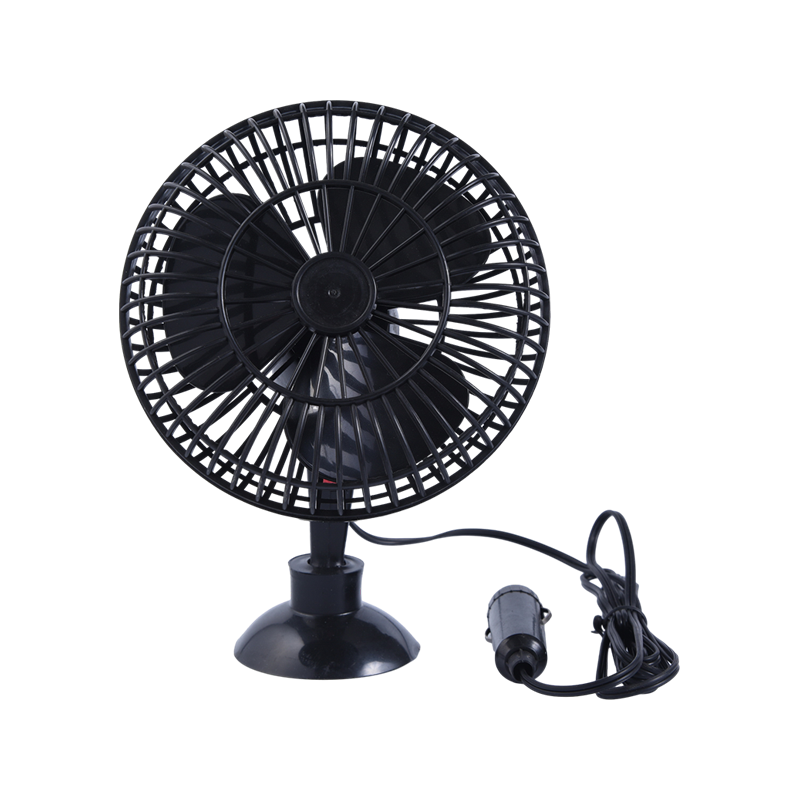
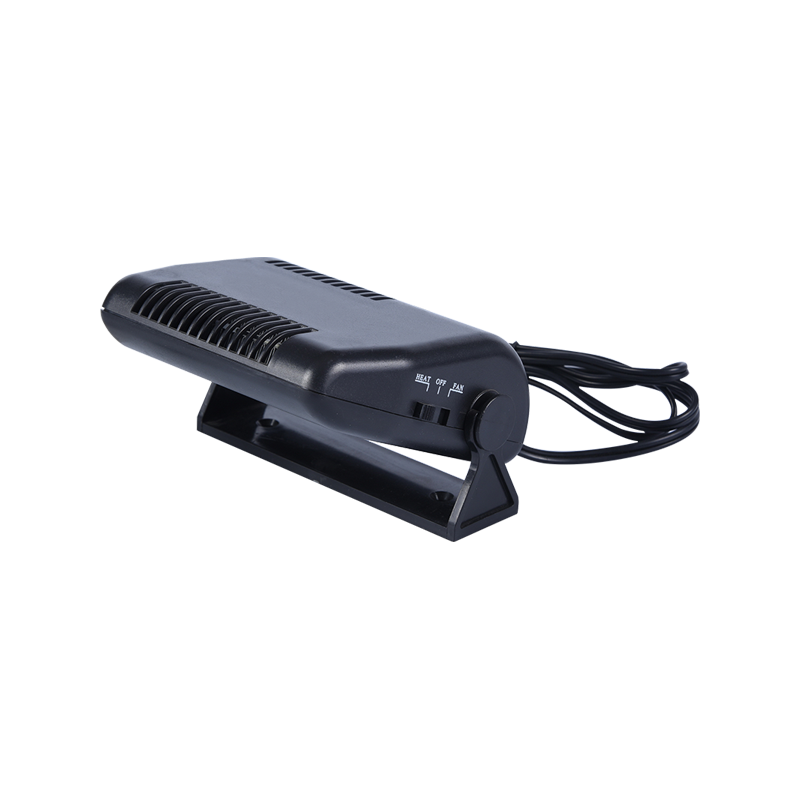
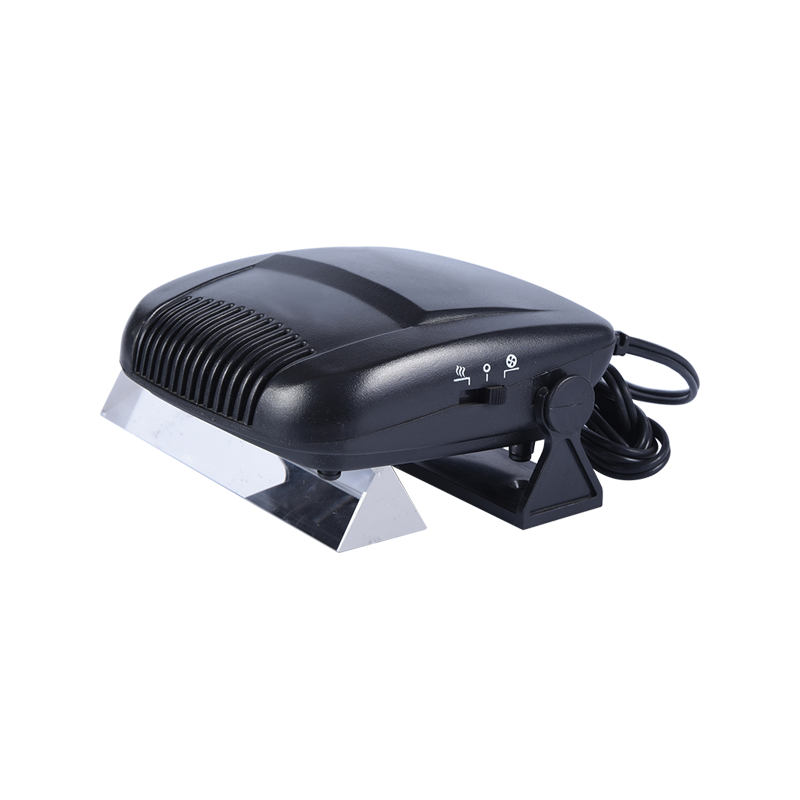
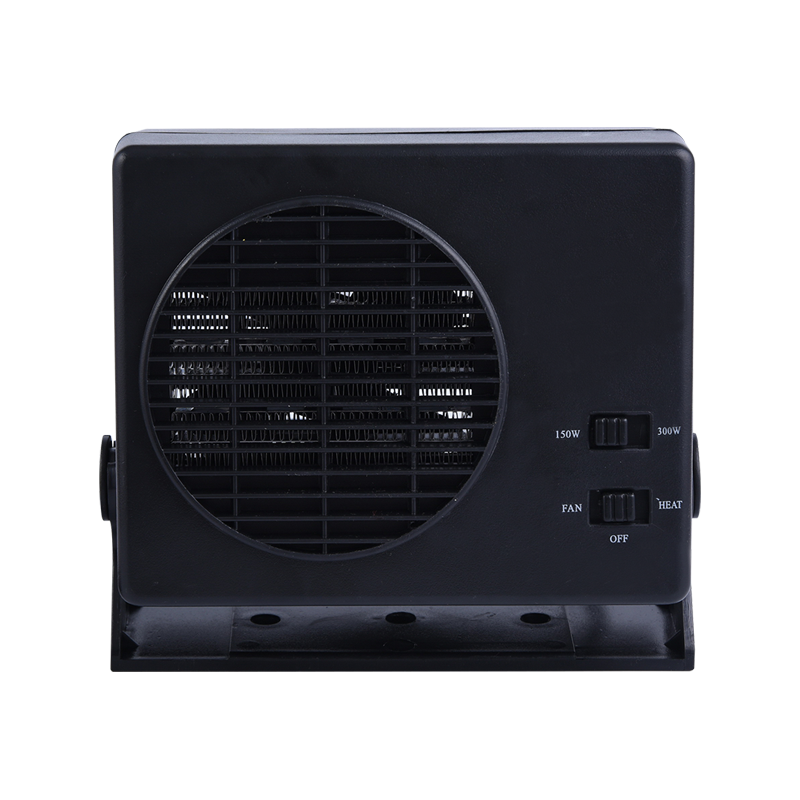
These are the most common type of car heater. They plug directly into your vehicle's 12V cigarette lighter or accessory socket. 12V car heaters are easy to use, require no installation, and are generally very safe. However, they have limited power output — typically 150W to 300W — so they work best as a supplement rather than a primary heating source.
2. 24V Electric Car Heaters
Designed for trucks, buses, and heavy-duty vehicles, 24V car heaters deliver more power and are better suited for larger cabins. They offer stronger heating performance than 12V counterparts but require a 24V electrical system, which standard passenger cars typically do not have.
3. Fuel-Powered Car Heaters (Diesel / Gasoline)
Fuel-powered car heaters — sometimes called parking heaters — run on the vehicle's own fuel supply. They produce significantly more heat than electric models and can run independently of the engine. These are the preferred choice for truckers who need heat during rest stops without idling the engine. Installation is more complex and costs more, but the performance is unmatched.
4. Propane Car Heaters
Propane car heaters are portable and powerful, often used in RVs, camper vans, or during camping. They generate considerable heat but require proper ventilation to avoid carbon monoxide buildup, making them unsuitable for enclosed vehicles without adequate airflow.
5. Heated Seat Cushions and Accessories
While not traditional car heaters, these accessories provide targeted warmth through direct contact heating. They use minimal power and are affordable, making them excellent complements to a primary car heater.
Car Heater Types Compared at a Glance
Use the table below to quickly compare the main car heater types across the most important criteria:
| Type | Power Source | Heating Power | Best For | Safety Risk | Cost Range |
| 12V Electric | Car socket | Low (150-300W) | Small cars, defroster | Low | $15-$60 |
| 24V Electric | 24V socket | Medium | Trucks, large cabins | Low | $30-$100 |
| Fuel-Powered | Diesel/Gasoline | High (5,000+ BTU) | Long-haul trucks, RVs | Medium | $150-$600+ |
| Propane | Propane canister | High | RVs, camper vans | High (ventilation) | $50-$200 |
| Heated Cushion | Car socket / USB | Very Low | Personal warmth | Very Low | $20-$80 |
Key Features to Look for in a Car Heater
Not all car heaters are created equal. Here are the most critical features to evaluate before making a purchase:
Heating Capacity (Wattage / BTU)
The heating capacity of a car heater is measured in watts (for electric models) or BTUs (for fuel-based models). A higher rating means more heat output. For a compact car, 150-300W is sufficient. For SUVs, trucks, or vans, look for 300W+ or a fuel-powered unit with at least 5,000 BTU.
Dual Functionality (Heater + Fan / Defroster)
Many quality car heaters double as fans in summer, making them year-round investments. Look for models with a built-in defrost mode that can quickly clear a foggy or icy windshield — this is one of the most practical features for winter driving safety.
Safety Certifications and Overheat Protection
Always choose a car heater with overheat protection, tip-over shutoff, and relevant safety certifications (such as ETL, CE, or RoHS). These features prevent accidents and protect your vehicle's electrical system from overload.
Mounting and Placement Options
Consider how and where you will position your car heater. Some units are dashboard-mounted, others clip onto vents, sit on the floor, or hang from the headrest. Flexible mounting options help direct heat where it is needed most.
Noise Level
A loud car heater can be distracting during long drives. If you are sensitive to noise, look for models specifically rated as quiet or low-noise, especially if you will be using the heater during overnight rests or phone calls.
Cord Length and Power Draw
A short cord limits your placement options, while excessive power draw can trip your vehicle's fuse. Most standard 12V outlets support up to 20 amps (240W), so ensure your chosen car heater stays within that range.
Thermostat and Temperature Control
Higher-end car heaters include adjustable thermostats so you can set and maintain a comfortable temperature without constant manual adjustment — particularly useful during overnight parking or extended travel.
How to Match a Car Heater to Your Situation
| Your Situation | Recommended Car Heater Type | Key Priority |
| Daily commuter, compact car | 12V Electric | Affordability, ease of use |
| Long-haul truck driver | Fuel-powered / 24V Electric | High output, independent operation |
| Weekend camper / van lifer | Propane or Fuel-powered | High heat output, fuel independence |
| SUV / minivan family driver | 12V Electric (higher wattage) | Wide coverage, defrost capability |
| Emergency preparedness | 12V Electric + heated blanket | Compact, reliable, safe |
Electric vs. Fuel-Powered Car Heaters: A Detailed Comparison
The most common debate among buyers is whether to choose an electric or fuel-powered car heater. Here is a deeper comparison:
| Criteria | Electric Car Heater | Fuel-Powered Car Heater |
| Heat Output | Low to Medium | High |
| Engine Required? | Yes (needs car running) | No (independent operation) |
| Ease of Use | Plug and play | Requires installation |
| Upfront Cost | $15-$100 | $150-$600+ |
| Running Cost | Uses vehicle alternator | Uses diesel/gasoline |
| Safety | High (low CO risk) | Moderate (venting needed) |
| Best For | Commuters, casual users | Truckers, campers, extreme cold |
Car Heater Safety: What You Must Know
Safety is paramount when using any car heater. Follow these essential guidelines:
- Never use a propane heater in a sealed vehicle. Always ensure adequate ventilation to prevent carbon monoxide buildup, which is odorless and potentially fatal.
- Do not leave an electric car heater running unattended. Overheating can damage upholstery or vehicle electronics without an auto-shutoff feature.
- Check your vehicle's fuse rating. Overloading the electrical system can blow fuses or damage your car's wiring harness.
- Keep heaters away from flammable materials such as seat covers, clothing, or paper documents.
- Look for tip-over protection — especially if the heater is placed on the seat or floor where it might fall during sharp turns.
- Only use a car heater designed for vehicle use. Household space heaters lack the vibration resistance and electrical compatibility needed for automotive environments.
Installation and Setup Tips
- Position matters: Place your car heater on the dashboard where airflow is not blocked. Angling it toward the windshield improves defrosting performance.
- Use a dedicated socket: Avoid using the same socket for multiple high-draw accessories simultaneously.
- Secure the cord: Run the cable along the door trim or under floor mats to avoid it becoming a tripping hazard.
- Allow warm-up time: Electric car heaters may take 5-10 minutes to reach optimal output. Plug in as soon as you start the engine for best results.
- Clean the filter (if applicable): Some models include a dust filter that should be cleaned periodically to maintain airflow efficiency.
How to Maximize Your Car Heater's Performance
- Use a windshield sun shade in reverse: Reflective sun shades placed on the inside of your windows at night help retain interior heat.
- Add insulating window covers: Thermal covers keep interior temperatures higher, reducing how hard your car heater has to work.
- Combine with a heated seat cushion: Direct body warmth works faster and more efficiently than heating an entire cabin.
- Park strategically: Parking in a garage or against a wind-blocking wall keeps your car warmer before you even switch on the heater.
- Use a remote start system: Warming the engine before you get in means your portable car heater only needs to top off the warmth.
Frequently Asked Questions (FAQ)
Q1: Can a 12V car heater heat an entire vehicle cabin?
A 12V car heater generally provides supplemental heat rather than completely warming a cabin. In small cars it can raise interior temperature noticeably, but in larger vehicles it serves better as a defroster or targeted heater. For full-cabin heating, consider a higher-wattage unit or a fuel-powered model.
Q2: Is it safe to leave a car heater on overnight?
Electric car heaters should not be left running unattended for long periods unless they have an automatic thermostat and shutoff. Even with safety features, running a heater overnight can drain your vehicle's battery if the engine is off. Fuel-powered parking heaters are specifically designed for extended overnight use and are a safer choice for that purpose.
Q3: Will a car heater drain my battery?
When the engine is running, the alternator replenishes the charge so battery drain is not a concern during normal driving. However, using a car heater with the engine off can deplete your battery within a few hours. Always run your car heater with the engine on, or invest in a standalone fuel-powered model for engine-off use.
Q4: What is the best car heater for defrosting a windshield?
The best car heater for defrosting is one with a high-velocity fan and a flat, wide nozzle that directs warm air evenly across the windshield. Look for models with a dedicated defrost mode. Position the heater as close to the windshield base as possible and set it to maximum output for fastest results.
Q5: Are portable car heaters safe to use while driving?
Yes, portable car heaters can be used while driving, but they should never obstruct the driver's view, restrict steering, or create a distraction. Always secure the heater properly and ensure the cord does not interfere with pedals or the gear shift before driving.
Q6: Can I use a regular space heater in my car?
No. Household space heaters require 110V-240V AC power, which standard vehicles do not provide through cigarette lighter sockets. Using a power inverter is technically possible but creates enormous drain on the electrical system and can be dangerous. Always use a car heater specifically designed for automotive use.
Q7: How long does a portable car heater take to heat up?
Most electric car heaters begin producing heat within 30-60 seconds of being plugged in, though reaching full cabin warmth can take 5-15 minutes depending on outside temperature and vehicle size. Fuel-powered models typically heat up faster and produce more consistent high-temperature output.
Final Verdict: Choosing the Right Car Heater
Selecting the best car heater comes down to your specific needs, vehicle type, and budget. Here is a quick decision framework:
- For everyday commuters with a compact or mid-size car: a quality 12V electric car heater with a defrost mode is the most practical and affordable choice.
- For truck drivers and professionals who need overnight heat: a fuel-powered parking heater is worth the investment.
- For campers and adventure travelers: a high-output propane heater with proper ventilation combined with insulating accessories is ideal.
- For emergency preparedness: a compact 12V car heater paired with a heated blanket covers most roadside scenarios.
No matter which type you choose, always prioritize safety certifications, overheat protection, and proper usage guidelines. A well-chosen car heater is a small investment that delivers comfort, safety, and peace of mind through every cold-weather journey.