English
 Português
 عربى
عربى 中文简体
中文简体Quick Answer: A car heater works by circulating hot coolant from the engine through a small radiator called the heater core. A blower fan then pushes cabin air across the heater core, warming it before it enters the passenger compartment. Portable car heaters plug into the 12V socket and use electric heating elements to achieve the same result independently of the engine.
Content
- The Science Behind Your Car Heater
- Key Components of a Car Heating System
- Portable Car Heaters: A Modern Alternative
- Factory Car Heater vs. Portable Car Heater: Side-by-Side Comparison
- How to Use a Portable Car Heater Safely
- Windshield Defrosting: Why It Matters and How It Works
- Common Car Heater Problems & Quick Fixes
- Frequently Asked Questions About Car Heaters
- Q: How long does it take for a car heater to warm up?
- Q: Can I leave a portable car heater running overnight?
- Q: Why does my car heater smell musty?
- Q: Is a portable car heater safe to use while driving?
- Q: Does running the car heater use more fuel?
- Q: What wattage is a typical portable car heater?
- Q: Can a portable car heater defrost the windshield?
- Conclusion: Choosing the Right Car Heater for Your Needs
The Science Behind Your Car Heater
Understanding how a car heater works requires a brief look at engine thermodynamics. Internal combustion engines generate enormous heat — enough to destroy themselves without a cooling system. Engineers solved two problems at once: they used that waste heat to warm passengers.
The process follows a continuous loop. Coolant (a water-antifreeze mixture) absorbs heat from the engine block and cylinder head, then flows through hoses toward the front of the vehicle. A thermostat regulates when the coolant is hot enough to circulate fully. Once the engine reaches operating temperature, hot coolant branches off toward the heater core inside the dashboard.
Key Components of a Car Heating System
1. Heater Core
The heater core is essentially a miniature radiator, typically made of aluminum or copper-brass, positioned behind the dashboard. Hot coolant flows through its narrow tubes while fins maximize surface area for heat transfer. When the blower motor pushes air through these fins, the air picks up heat and travels into the cabin.
2. Blower Motor & Fan
The blower motor powers a squirrel-cage fan that draws air from outside or recirculates cabin air, depending on your setting. Fan speed is selectable, determining how quickly warm air circulates. A malfunctioning blower is one of the most common reasons a car heater stops producing warm air.
3. Thermostat & Temperature Controls
The thermostat prevents coolant from circulating until the engine is warm enough, which is why you feel little heat immediately after starting a cold engine. Temperature controls on the dashboard adjust a blend door — a flap that mixes heated and ambient air to reach your desired cabin temperature.
4. Heater Hoses & Coolant
Two reinforced rubber hoses connect the engine to the heater core — one carrying hot coolant in, one returning cooled coolant back. Low coolant levels are a frequent cause of insufficient heat, as the heater core cannot transfer warmth effectively when coolant is inadequate.
Portable Car Heaters: A Modern Alternative
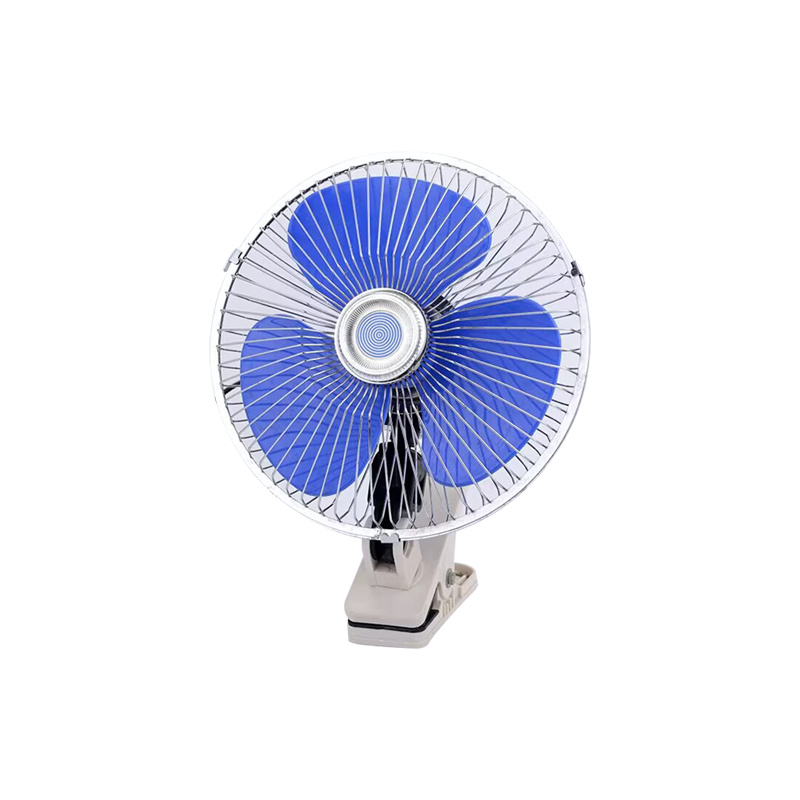
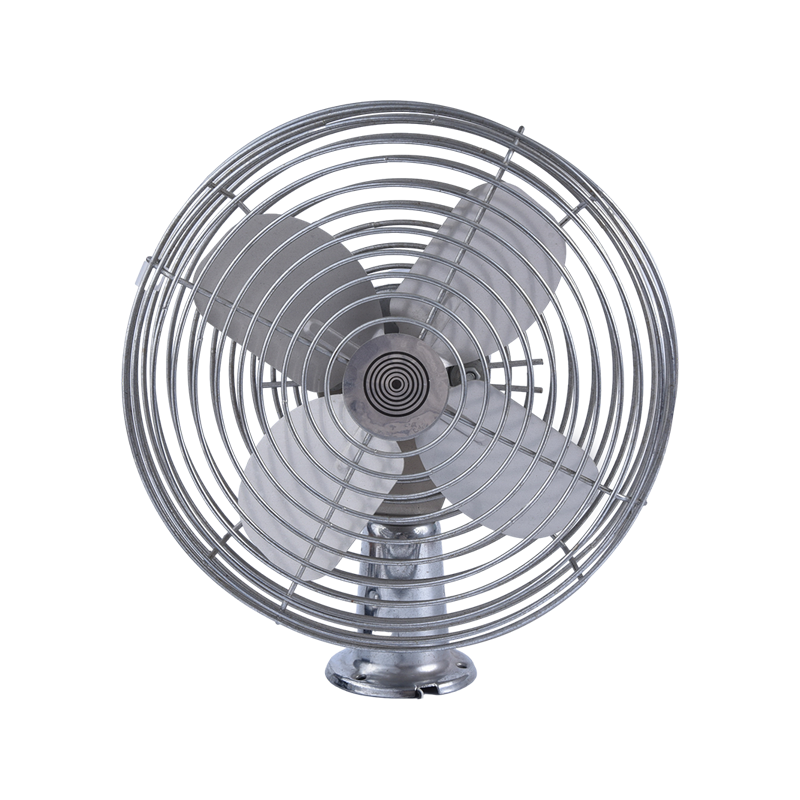
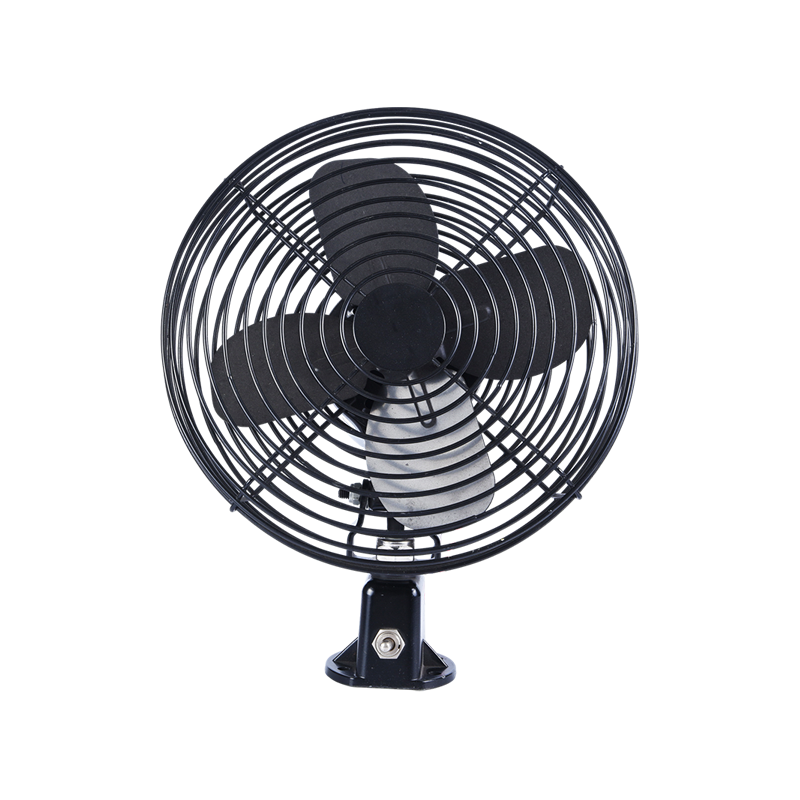
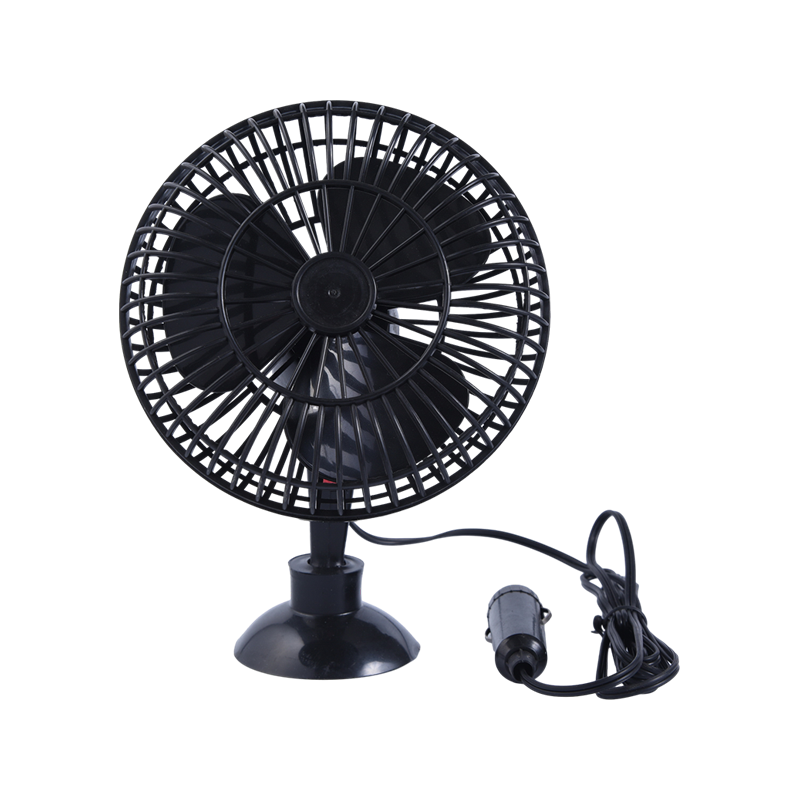
Not every driver can rely solely on the factory heating system — especially in older vehicles, delivery vans, or emergencies. A portable car heater bridges this gap with a compact, plug-in solution designed specifically for automotive use.
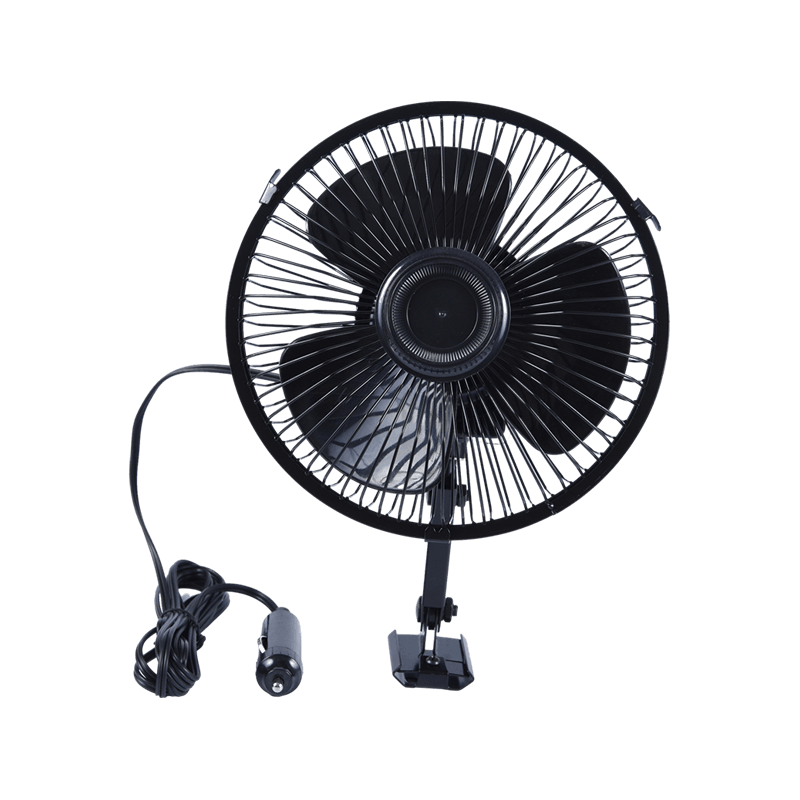
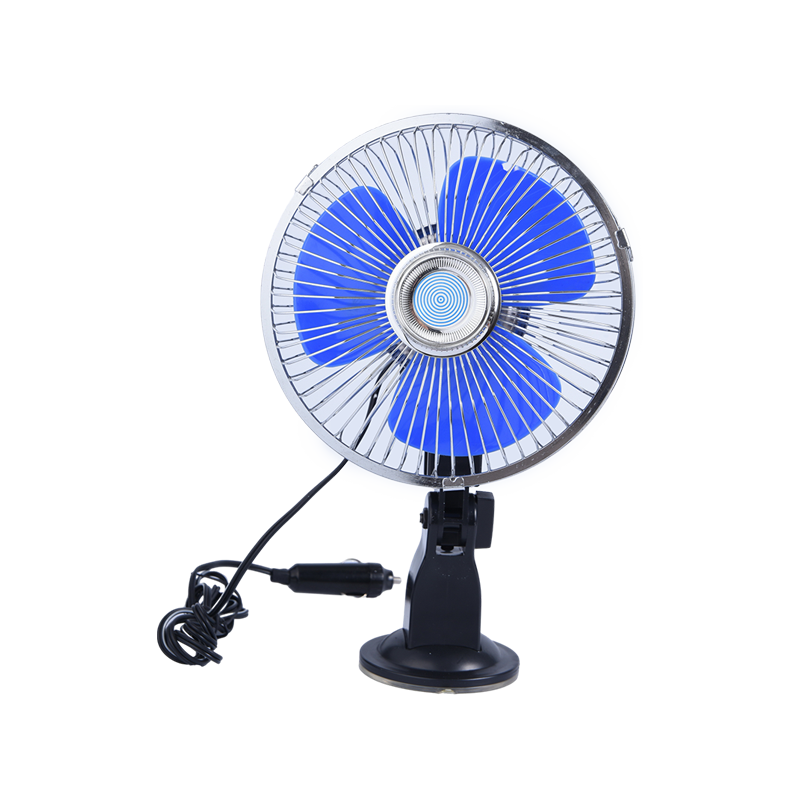
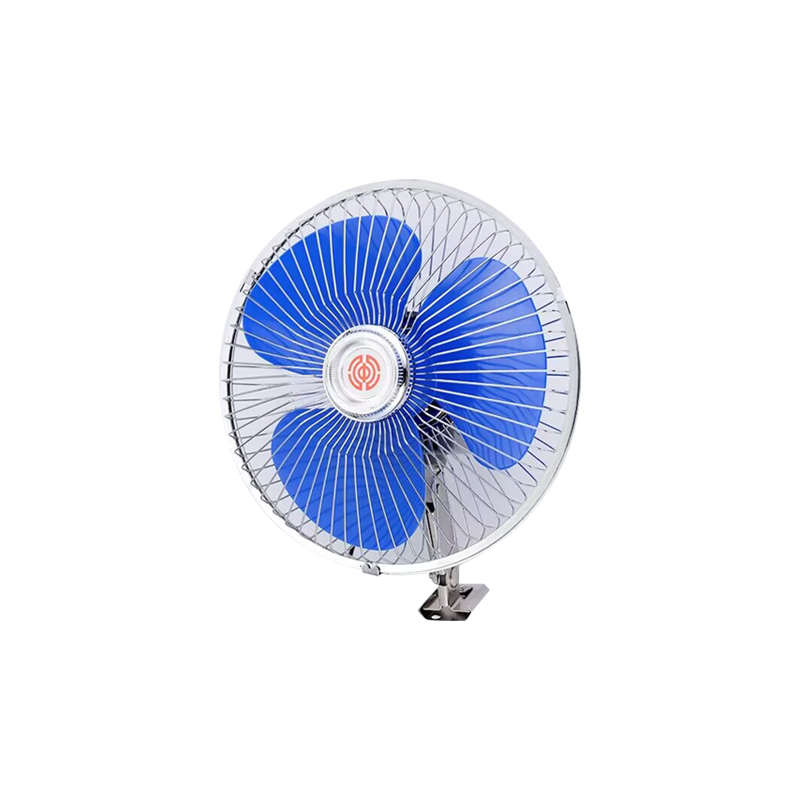
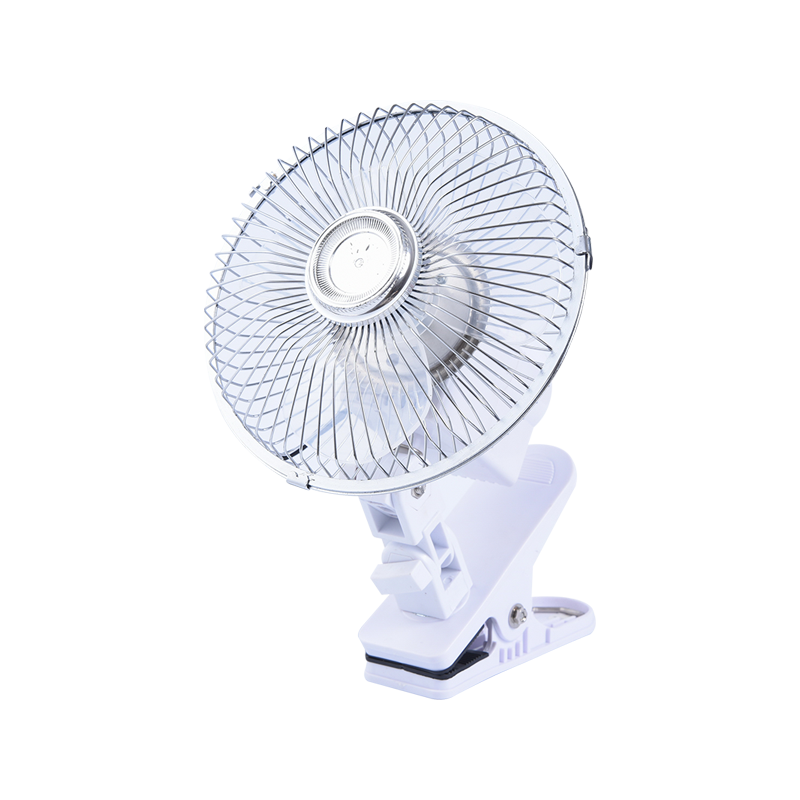
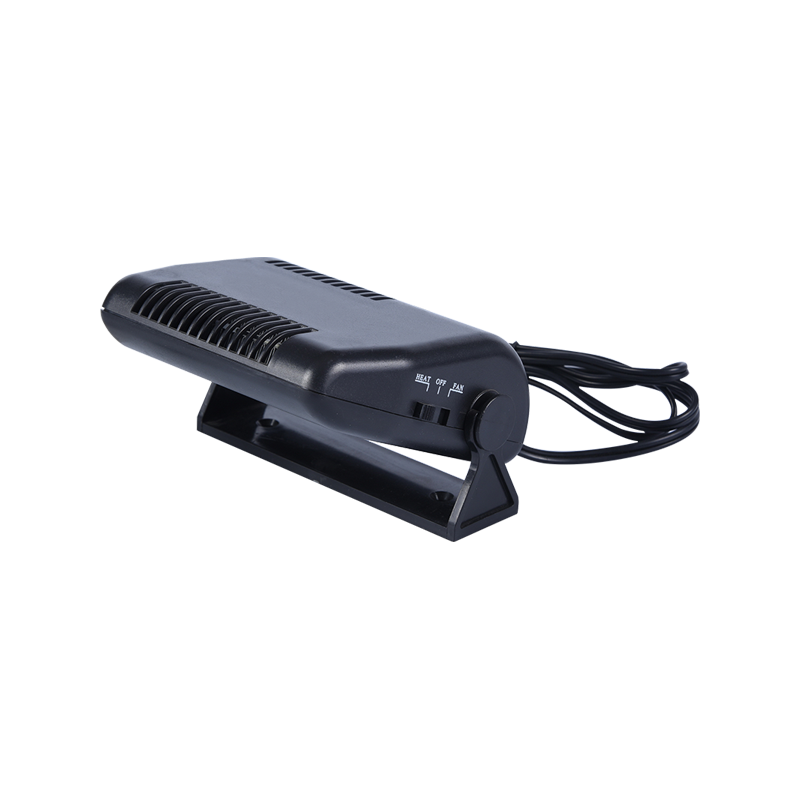
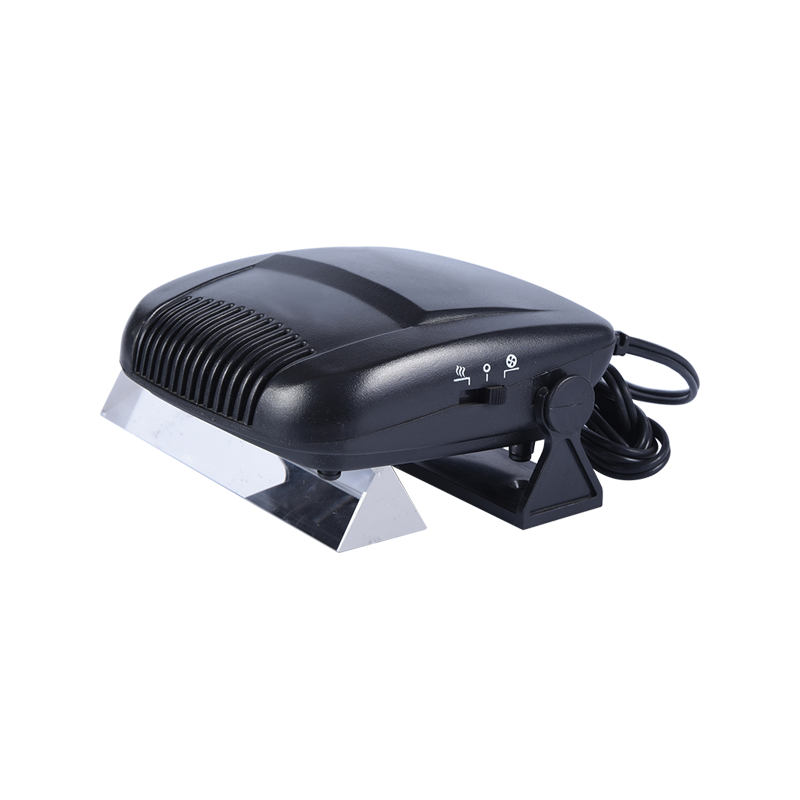
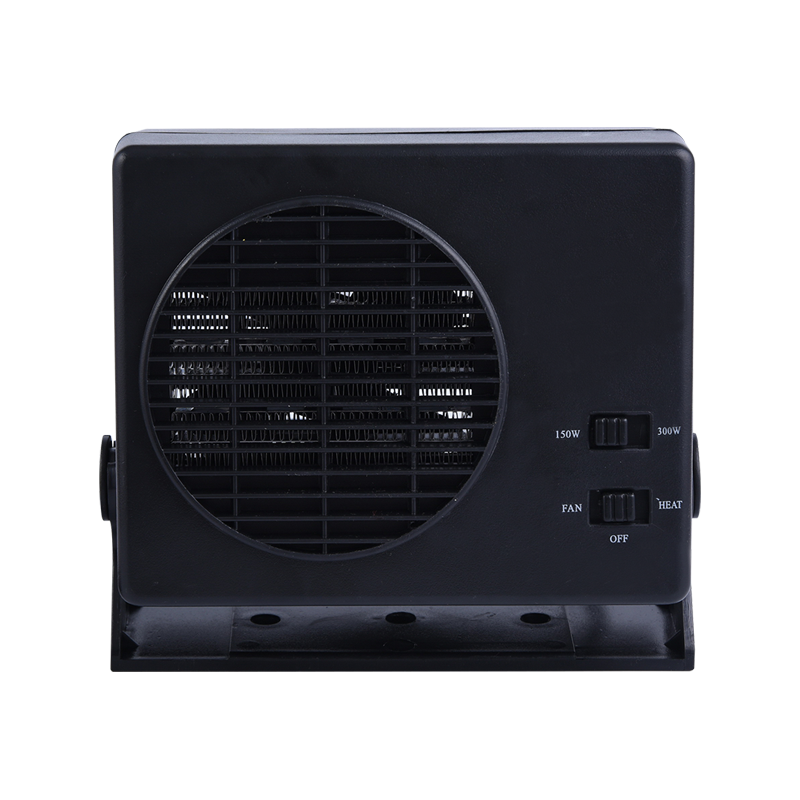
Modern portable car heaters connect to the vehicle's 12V power outlet (cigarette lighter socket) and use a built-in electric heating element to generate warmth independently of the engine. Advanced models feature multi-angle airflow adjustment, dual-mode operation (hot air and cool air), and inline fuse protection for safety.
Key Features of a Quality Portable Car Heater
- Rapid Heating & Defrosting: Advanced heating elements bring the unit to full temperature within seconds, producing strong airflow capable of clearing windshield fog quickly — restoring driving visibility and improving safety.
- Multi-Angle Airflow Adjustment: Swivel mounts allow you to direct warm air precisely where needed — toward the body, the windshield, or distributed evenly throughout the cabin.
- Dual-Speed / Dual-Mode Operation: Toggle between hot and cool airflow. Hot mode warms the cabin or defogs glass; cool mode circulates fresh air in milder weather without the need for a separate fan.
- Inline Fuse Protection: A built-in or inline fuse prevents electrical overload, safeguarding both the heater and the vehicle's electrical system.
- Compact & Portable Design: Lightweight construction means the unit can be stored in a glove compartment, trunk, or bag — ready when needed, out of the way when not.
Factory Car Heater vs. Portable Car Heater: Side-by-Side Comparison
| Feature | Factory Car Heater | Portable Car Heater |
| Heat Source | Engine coolant waste heat | Electric heating element (12V) |
| Warm-Up Time | 3–10 minutes (engine must warm up) | Seconds (instant electric heat) |
| Heat Output | High (entire cabin) | Moderate (targeted zone) |
| Defrosting | Yes (via dedicated vents) | Yes (adjustable nozzle) |
| Portability | Fixed (built-in) | Fully portable, multi-vehicle use |
| Power Source | Engine / HVAC system | 12V vehicle socket |
| Maintenance | Requires coolant checks, core servicing | Minimal — wipe clean as needed |
| Cost | Included in vehicle; costly to repair | Low upfront cost |
| Best For | Everyday cabin heating | Emergencies, older vehicles, quick defrost |
How to Use a Portable Car Heater Safely
Safety is paramount when operating any electrical device inside a vehicle. Follow these guidelines for responsible use:
- Plug directly into the 12V socket — avoid extension cords or multi-plug adapters, which can cause voltage drops or overheat.
- Position securely — place the unit on a stable surface or use a mount so it cannot tip onto upholstery or under pedals while driving.
- Do not leave unattended — switch off the unit when leaving the vehicle or when the desired temperature has been reached.
- Ensure adequate ventilation — crack a window slightly to prevent moisture build-up and maintain healthy air quality.
- Check the inline fuse — if the unit stops working, inspect the fuse (often located in the power plug) before assuming a more serious fault.
Windshield Defrosting: Why It Matters and How It Works
Fogged or iced windshields are a leading cause of winter accidents. The defroster function of a car heater works by directing warm, dry air across the inner surface of the windshield. Warm air holds more moisture than cold air, so it absorbs the condensation on the glass and carries it away through the ventilation system.
A portable car heater with a multi-angle nozzle can serve the same function: aim the airflow directly at the inside of the windshield and the fog clears within one to two minutes. For icy exterior surfaces, this interior heat combined with a brief engine warm-up provides the most effective solution.
Common Car Heater Problems & Quick Fixes
| Problem | Likely Cause | Suggested Fix |
| No heat at all | Low coolant, thermostat failure | Check coolant level; replace thermostat |
| Weak airflow | Clogged cabin filter, blower issue | Replace cabin air filter; inspect blower |
| Sweet smell from vents | Leaking heater core (coolant) | Service heater core immediately |
| Foggy windows persist | Leaking heater core, cabin humidity | Inspect core; use A/C to dehumidify |
| Portable heater not working | Blown inline fuse, socket fault | Replace fuse; test another socket |
Frequently Asked Questions About Car Heaters
Q: How long does it take for a car heater to warm up?
A factory car heater typically takes 3–10 minutes to produce noticeably warm air, as it depends on the engine reaching operating temperature. A portable electric car heater produces heat within seconds of being switched on.
Q: Can I leave a portable car heater running overnight?
It is not recommended. Running a portable car heater for extended periods can drain the vehicle battery and may pose safety risks if the unit overheats or tips over. Use it for targeted warm-up sessions rather than continuous overnight operation.
Q: Why does my car heater smell musty?
A musty smell usually indicates mold or bacteria growing on the cabin air filter or the evaporator core. Replace the cabin air filter and run the A/C system for a few minutes to dry out moisture in the system. A sweet, syrupy smell is more serious and may indicate coolant leaking from the heater core.
Q: Is a portable car heater safe to use while driving?
Yes, when used correctly. Ensure the unit is mounted securely, not obstructing pedals or the driver's view, and keep the airflow directed toward the windshield or passenger area rather than at the driver's face to avoid distraction.
Q: Does running the car heater use more fuel?
A factory car heater uses waste heat from the engine and has negligible impact on fuel consumption. The blower motor draws a small amount of electricity. A portable electric car heater draws from the 12V battery and may slightly increase alternator load, which has a minor but measurable effect on fuel use.
Q: What wattage is a typical portable car heater?
Most portable car heaters operate at 120W to 200W when connected to a standard 12V socket. This is sufficient to warm the immediate area around the driver and defog the windshield effectively without overloading the vehicle's electrical system.
Q: Can a portable car heater defrost the windshield?
Absolutely. This is one of the primary uses of a portable car heater. Direct the adjustable nozzle toward the interior of the windshield and switch to maximum heat mode. Fog and light frost clear within one to three minutes in most conditions.
Conclusion: Choosing the Right Car Heater for Your Needs
Whether you rely on your vehicle's built-in system or supplement it with a portable car heater, understanding how these systems work empowers you to maintain them, troubleshoot problems, and choose the right solution for your situation.
For everyday commuters, the factory car heater remains the primary heating source — requiring only regular coolant maintenance and timely filter changes. For drivers who need supplemental heat, emergency preparedness, or a fast windshield defrost solution, a compact portable car heater delivers impressive performance in a small, affordable package.
The best approach is often a combination: use your factory system for general cabin warmth and pair it with a portable car heater for rapid defrosting and targeted comfort on the coldest mornings. Stay warm, stay visible, and drive safely this winter.